Introduzione
Il sistema di montaggio solare è una componente essenziale di ogni progetto fotovoltaico (FV). Fornisce un supporto stabile ai pannelli solari e influisce direttamente sull'efficienza dell'installazione, sulla durata del sistema e sulle prestazioni a lungo termine.
Con il continuo sviluppo delle applicazioni solari residenziali, commerciali e su larga scala, aumenta la domanda di strutture di montaggio leggere, durevoli e affidabili. L'alluminio è diventato uno dei materiali più utilizzati nei moderni sistemi di montaggio solare grazie alla sua eccellente combinazione di leggerezza, resistenza alla corrosione, prestazioni strutturali e flessibilità di lavorazione.
L'importanza della selezione dei materiali nei sistemi di montaggio solare
Le strutture di montaggio per i pannelli solari vengono installate all'esterno e devono funzionare in modo affidabile per molti anni in diverse condizioni ambientali, tra cui:
esposizione al vento
Pioggia e umidità
radiazioni UV
Variazioni di temperatura
Carichi di neve
Il materiale utilizzato nei sistemi di montaggio per pannelli solari determina fattori importanti come la stabilità strutturale, la resistenza alla corrosione, la facilità di installazione e la durata.
L'alluminio offre una soluzione equilibrata che soddisfa i requisiti di molte applicazioni solari, migliorando al contempo l'efficienza di installazione e l'affidabilità a lungo termine.
Principali vantaggi dei sistemi di montaggio solare in alluminio
1. Struttura leggera per una facile installazione
Uno dei principali vantaggi dell'alluminio è la sua leggerezza.
Rispetto ai materiali metallici più pesanti, i componenti in alluminio sono più facili da trasportare, maneggiare e installare. Ciò contribuisce a ridurre la difficoltà di costruzione e a migliorare l'efficienza complessiva del progetto.
Il design leggero offre numerosi vantaggi:
Trasporti più facili
Processo di installazione più rapido
Riduzione del fabbisogno di manodopera
Minore carico strutturale sugli edifici
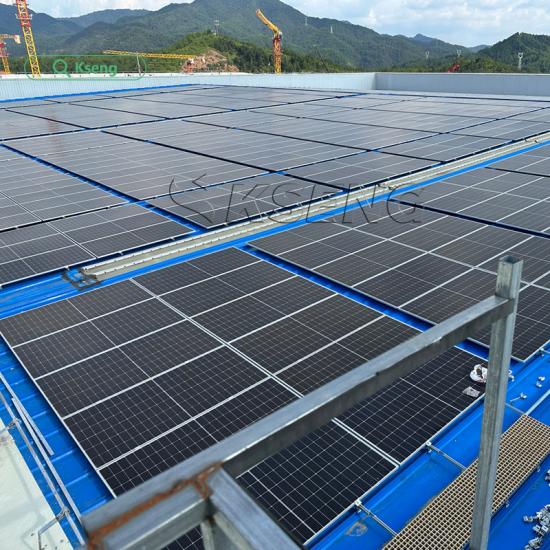
Questo vantaggio rende l'alluminio particolarmente adatto persistemi di montaggio per tetti solari, sistemi di montaggio solare per balconi e altre applicazioni in cui il controllo del peso è importante.
 2. Eccellente resistenza alla corrosione
I sistemi di montaggio per pannelli solari sono esposti agli ambienti esterni per lunghi periodi, pertanto la resistenza alla corrosione è un requisito fondamentale.
L'alluminio forma naturalmente uno strato di ossido protettivo sulla sua superficie, che contribuisce a migliorarne la resistenza all'umidità e agli agenti atmosferici. Ulteriori trattamenti superficiali possono ulteriormente aumentarne la durata e preservarne l'aspetto.
Le proprietà di resistenza alla corrosione dell'alluminio lo rendono adatto per:
Progetti solari costieri
Ambienti umidi
Impianti fotovoltaici residenziali
Installazioni esterne a lungo termine
Riducendo i rischi di corrosione, i sistemi di montaggio solare in alluminio possono mantenere prestazioni stabili per tutta la loro durata.
3. Prestazioni elevate con un elevato rapporto resistenza-peso
Nonostante la sua leggerezza, l'alluminio è in grado di fornire un supporto strutturale affidabile grazie a una progettazione ottimizzata e alla corretta selezione della lega.
I moderni sistemi di montaggio solare in alluminio offrono:
Supporto stabile del pannello
Buona capacità di carico
Elevata affidabilità strutturale
Utilizzo efficiente dei materiali
L'elevato rapporto resistenza-peso consente ai produttori di sviluppare soluzioni di montaggio che garantiscono al contempo durata e facilità di installazione.
4. Maggiore resistenza agli agenti atmosferici e durata nel tempo
I sistemi di montaggio per pannelli solari sono progettati per un funzionamento esterno a lungo termine, il che significa che i materiali devono mantenere prestazioni stabili in condizioni meteorologiche variabili.
L'alluminio offre un'eccellente resistenza agli agenti atmosferici come umidità, esposizione alla luce solare e variazioni di temperatura. Questo rende i sistemi di montaggio solare in alluminio adatti ad applicazioni fotovoltaiche a lungo termine in diversi climi.
Le proprietà di resistenza agli agenti atmosferici dell'alluminio contribuiscono a fornire:
Prestazioni stabili all'aperto
Riduzione delle esigenze di manutenzione
Durata di servizio prolungata
Supporto affidabile per pannelli solari
Mantenendo le proprie prestazioni strutturali nel tempo, l'alluminio contribuisce a garantire una maggiore durata e affidabilità a lungo termine dei sistemi di montaggio solare in progetti fotovoltaici residenziali, commerciali e su larga scala.
5. Adatto a diverse applicazioni solari
La versatilità dell'alluminio lo rende adatto a una vasta gamma di applicazioni di montaggio per pannelli solari.
Sistemi di montaggio per tetti solari
Le guide e le staffe in alluminio offrono un supporto leggero garantendo al contempo un fissaggio affidabile dei pannelli su diverse tipologie di tetto.
Sistemi di montaggio a terra per impianti solari
Le strutture in alluminio offrono resistenza alla corrosione e durabilità a lungo termine per gli impianti fotovoltaici installati a terra.
2. Eccellente resistenza alla corrosione
I sistemi di montaggio per pannelli solari sono esposti agli ambienti esterni per lunghi periodi, pertanto la resistenza alla corrosione è un requisito fondamentale.
L'alluminio forma naturalmente uno strato di ossido protettivo sulla sua superficie, che contribuisce a migliorarne la resistenza all'umidità e agli agenti atmosferici. Ulteriori trattamenti superficiali possono ulteriormente aumentarne la durata e preservarne l'aspetto.
Le proprietà di resistenza alla corrosione dell'alluminio lo rendono adatto per:
Progetti solari costieri
Ambienti umidi
Impianti fotovoltaici residenziali
Installazioni esterne a lungo termine
Riducendo i rischi di corrosione, i sistemi di montaggio solare in alluminio possono mantenere prestazioni stabili per tutta la loro durata.
3. Prestazioni elevate con un elevato rapporto resistenza-peso
Nonostante la sua leggerezza, l'alluminio è in grado di fornire un supporto strutturale affidabile grazie a una progettazione ottimizzata e alla corretta selezione della lega.
I moderni sistemi di montaggio solare in alluminio offrono:
Supporto stabile del pannello
Buona capacità di carico
Elevata affidabilità strutturale
Utilizzo efficiente dei materiali
L'elevato rapporto resistenza-peso consente ai produttori di sviluppare soluzioni di montaggio che garantiscono al contempo durata e facilità di installazione.
4. Maggiore resistenza agli agenti atmosferici e durata nel tempo
I sistemi di montaggio per pannelli solari sono progettati per un funzionamento esterno a lungo termine, il che significa che i materiali devono mantenere prestazioni stabili in condizioni meteorologiche variabili.
L'alluminio offre un'eccellente resistenza agli agenti atmosferici come umidità, esposizione alla luce solare e variazioni di temperatura. Questo rende i sistemi di montaggio solare in alluminio adatti ad applicazioni fotovoltaiche a lungo termine in diversi climi.
Le proprietà di resistenza agli agenti atmosferici dell'alluminio contribuiscono a fornire:
Prestazioni stabili all'aperto
Riduzione delle esigenze di manutenzione
Durata di servizio prolungata
Supporto affidabile per pannelli solari
Mantenendo le proprie prestazioni strutturali nel tempo, l'alluminio contribuisce a garantire una maggiore durata e affidabilità a lungo termine dei sistemi di montaggio solare in progetti fotovoltaici residenziali, commerciali e su larga scala.
5. Adatto a diverse applicazioni solari
La versatilità dell'alluminio lo rende adatto a una vasta gamma di applicazioni di montaggio per pannelli solari.
Sistemi di montaggio per tetti solari
Le guide e le staffe in alluminio offrono un supporto leggero garantendo al contempo un fissaggio affidabile dei pannelli su diverse tipologie di tetto.
Sistemi di montaggio a terra per impianti solari
Le strutture in alluminio offrono resistenza alla corrosione e durabilità a lungo termine per gli impianti fotovoltaici installati a terra.
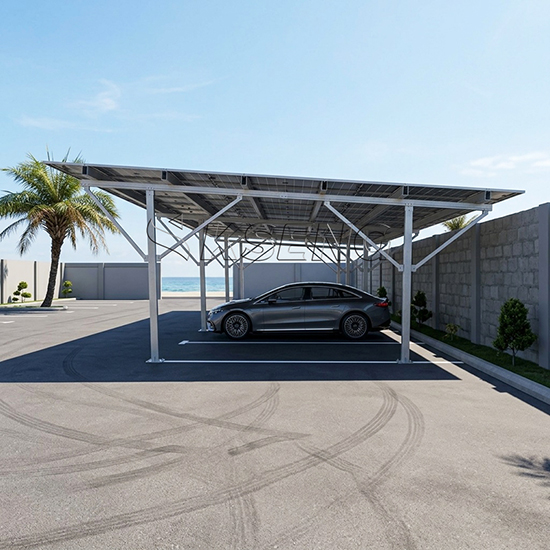 Sistemi solari per tettoie auto
Le strutture in alluminio per pensiline fotovoltaiche combinano robustezza, aspetto moderno e resistenza agli agenti atmosferici, offrendo soluzioni ideali sia per il parcheggio che per la produzione di energia.
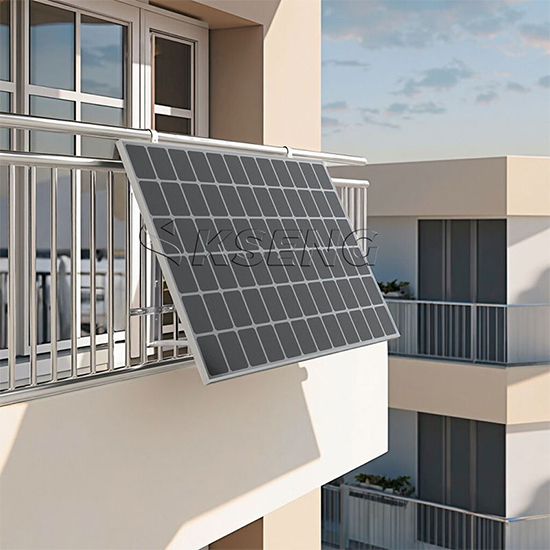
Sistemi di montaggio per pannelli solari da balcone
La leggerezza e la flessibilità dell'alluminio lo rendono adatto a installazioni solari residenziali compatte con spazio limitato.
6. Aspetto migliorato per i moderni progetti solari
Con la crescente integrazione degli impianti solari negli ambienti residenziali e architettonici, l'aspetto estetico sta diventando un fattore sempre più importante da considerare.
L'alluminio offre un aspetto pulito e moderno che si abbina bene con:
Tetti residenziali
pensiline solari per auto
Soluzioni solari per balconi
Applicazioni solari integrate negli edifici
Le tecnologie di trattamento superficiale possono migliorare ulteriormente la qualità estetica e la durata dei componenti in alluminio.
Sistemi di montaggio solare in alluminio a confronto con altri materiali
Diversi progetti solari possono richiedere materiali strutturali differenti. L'acciaio viene spesso scelto per applicazioni che necessitano di elevata resistenza strutturale, mentre l'alluminio offre vantaggi in termini di leggerezza, resistenza alla corrosione ed efficienza di installazione.
Nella scelta del materiale è necessario considerare:
Ubicazione del progetto
condizioni ambientali
Requisiti di carico
Metodi di installazione
esigenze di manutenzione a lungo termine
La scelta di materiali adeguati contribuisce a garantire migliori prestazioni e affidabilità del sistema.
Conclusione
L'alluminio è ampiamente utilizzato nei moderni sistemi di montaggio per pannelli solari perché offre un equilibrio ideale tra leggerezza, resistenza alla corrosione, affidabilità strutturale e flessibilità di progettazione.
Dai sistemi solari sui tetti alle soluzioni di montaggio a terra e alle applicazioni fotovoltaiche residenziali, l'alluminio contribuisce a creare strutture di supporto durevoli ed efficienti per i pannelli solari.
Con il continuo progresso della tecnologia solare, l'alluminio rimarrà un materiale di scelta importante per lo sviluppo di sistemi di montaggio solare affidabili, durevoli e ad alte prestazioni.
FAQ
1. Perché l'alluminio è comunemente utilizzato nei sistemi di montaggio per pannelli solari?
L'alluminio è ampiamente utilizzato nei sistemi di montaggio per impianti solari grazie alla sua combinazione di leggerezza, resistenza alla corrosione, robustezza e durata. Questi vantaggi rendono l'alluminio adatto a diverse applicazioni fotovoltaiche, tra cui impianti su tetto, a terra, su tettoie per auto e progetti solari residenziali.
2. I sistemi di montaggio solare in alluminio sono resistenti per l'uso esterno?
Sì, i sistemi di montaggio solare in alluminio sono progettati per un funzionamento esterno a lungo termine. L'alluminio forma naturalmente uno strato di ossido protettivo che contribuisce a resistere all'umidità, all'ossidazione e agli agenti atmosferici, migliorando la durata complessiva della struttura di montaggio.
3. Quali tipologie di progetti solari possono utilizzare sistemi di montaggio in alluminio?
I sistemi di montaggio in alluminio possono essere utilizzati in una vasta gamma di progetti solari, tra cui sistemi di montaggio per tetti solari, sistemi di montaggio a terra, pensiline solari per auto, impianti solari per balconi e altre applicazioni residenziali o fotovoltaiche.
4. In che modo l'alluminio migliora l'efficienza dell'installazione dei supporti per pannelli solari?
La leggerezza dell'alluminio rende i componenti più facili da trasportare, maneggiare e assemblare. Ciò può contribuire a semplificare i processi di installazione, ridurre la manodopera necessaria e migliorare l'efficienza complessiva del progetto.
5. I sistemi di montaggio per pannelli solari in alluminio richiedono una manutenzione frequente?
I sistemi di montaggio per pannelli solari in alluminio generalmente richiedono poca manutenzione grazie alle loro proprietà di resistenza alla corrosione. Se progettati e realizzati correttamente, possono mantenere prestazioni stabili per molti anni in condizioni esterne.



 Rete IPv6 supportata


